
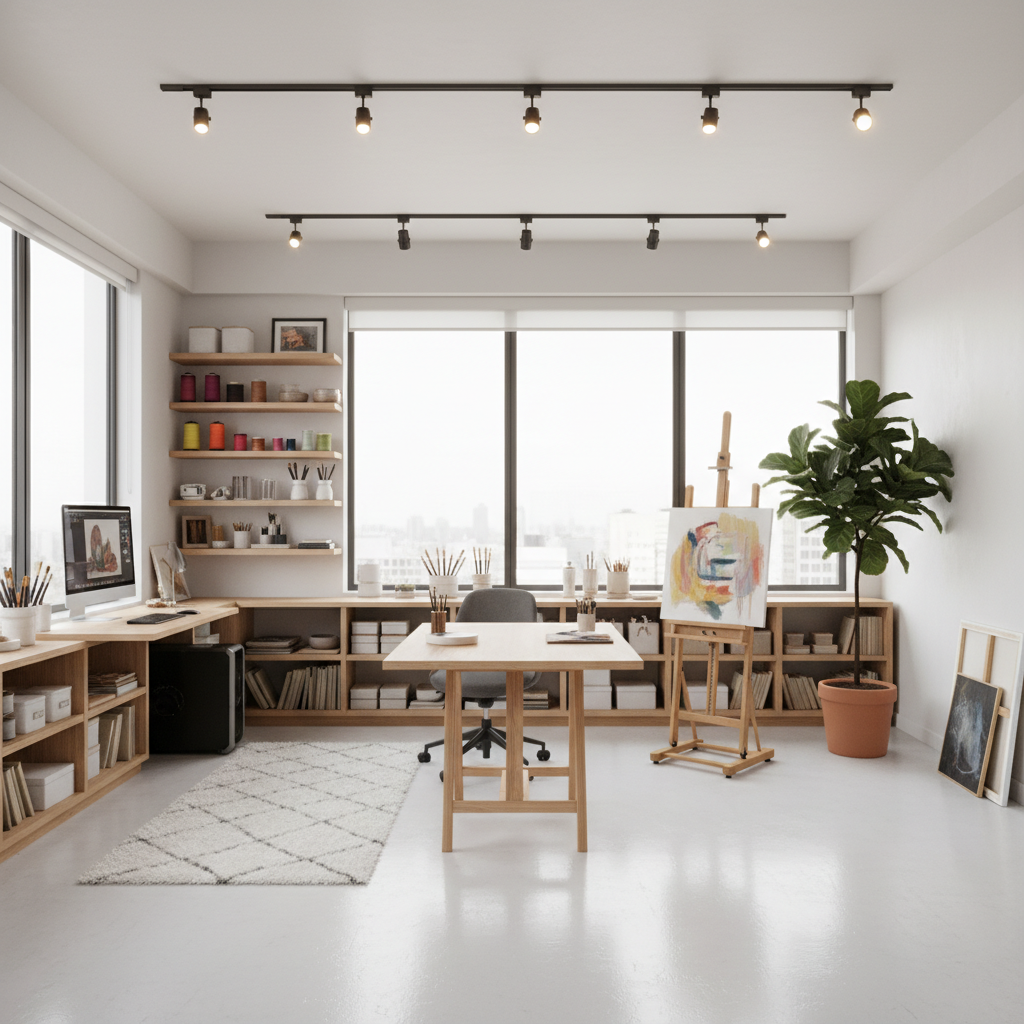
Setting the Stage: Designing the Ultimate Creative Home Studio for Artists
For any artist, the environment where you create is just as important as the tools you use. Whether you are a musician laying down tracks, an actor rehearsing lines for a major audition, or a visual artist painting your next masterpiece, your surroundings dictate your flow. A cluttered corner of the living room might work for a while, but eventually, every professional needs a dedicated sanctuary. When planning a high-end renovation oakville artists often realize that the key to longevity in the industry is having a space that minimizes distractions and maximizes inspiration. Building a home studio is not just about aesthetics; it is about creating a functional ecosystem that supports your unique creative process from start to finish.
The transition from a hobbyist setup to a professional-grade home studio requires careful thought and strategic planning. You have to consider how sound moves, how light falls, and how your body moves through the space. It is a delicate balance of technical requirements and personal style. In this guide, we will explore the essential elements of designing a creative home studio that rivals professional facilities, ensuring that your next project has the perfect stage to come to life.
Prioritizing Sound and Acoustic Treatment
If you are a musician or a voice actor, sound is your most valuable currency. The biggest mistake people make is confusing soundproofing with acoustic treatment. Soundproofing is about keeping noise from entering or leaving the room, while acoustic treatment is about managing how sound behaves inside the room. To truly “set the stage,” you need a combination of both. Thick walls and solid-core doors are the first line of defense against the outside world, ensuring that a passing lawnmower or a barking dog does not ruin a perfect take.
Once the room is quiet, you need to focus on the internal reflections. Large, flat surfaces like drywall and hardwood floors cause sound waves to bounce around, creating echoes that can make a recording sound thin or muddy. Using acoustic panels, bass traps, and diffusers can help soak up these unwanted reflections. This creates a “dry” environment where your microphone only captures the pure sound of your voice or instrument. Even if you are not a recording artist, a quiet room helps you focus and stay in the “zone” during long creative sessions.
It is also important to consider the floor. While hardwood looks beautiful, it is often too reflective for high-quality audio work. Many artists choose to incorporate heavy rugs or even specialized acoustic flooring to dampen footfalls and vibrations. By controlling the sonic environment, you give yourself the freedom to record at any time of day or night without worrying about external interference or poor audio quality.
The Power of Lighting and Visual Atmosphere
For actors and visual artists, lighting is everything. If you are filming self-tapes or hosting virtual auditions, you need a lighting setup that makes you look professional and helps you stand out to casting directors. Natural light is a wonderful asset, but it is also unpredictable. Clouds can shift, and the sun eventually sets, changing your look mid-session. A professional studio should have a mix of natural light for mood and controlled, artificial light for consistency.
Three-point lighting is the gold standard for actors. This involves a key light to illuminate your face, a fill light to soften shadows, and a back light to separate you from the background. When designing your studio, ensure you have enough wall outlets to support these lights without creating a tripping hazard with extension cords. If you are a painter or sculptor, you might prefer “daylight” bulbs that mimic the full spectrum of the sun, allowing you to see colors accurately regardless of the time of day.
Beyond the functional aspects, lighting sets the mood. Smart LED strips or dimmable overhead lights can help you transition from a high-energy work mode to a relaxed, creative headspace. Being able to change the color temperature of your room can significantly impact your productivity. Cool, blue-toned lights are great for focus, while warmer, amber tones are perfect for brainstorming and conceptualizing new ideas.
Structural Integrity and Professional Layout
A great studio starts with a solid foundation. You cannot simply throw a desk in a room and call it a day; you need to think about the “bones” of the space. This is where professional help becomes invaluable. If you are looking to knock down walls, add custom cabinetry, or install specialized electrical systems, you need a team that understands the nuances of high-end residential construction. For those in the Greater Toronto Area, Red Stone Contracting is a premier choice for turning these complex visions into reality.
Working with a professional contractor ensures that your studio is not only beautiful but also safe and up to code. They can help you design custom built-ins for your gear, hidden cable runs to keep the floor clear, and even reinforced walls for mounting heavy monitors or instruments. Having a dedicated team handle the heavy lifting allows you to focus on the creative side of things while they manage the logistics of the build. A well-constructed room adds significant value to your home and provides a professional backdrop that tells clients you take your work seriously.
The layout should follow your workflow. If you are a multi-hyphenate artist who does music, acting, and editing, you might need “zones” within the room. One area could be dedicated to your computer and monitors, while another is a clear space for movement or filming. By planning the layout during the construction phase, you can ensure that outlets, lights, and acoustic panels are exactly where they need to be to support your daily routine.
Technology Integration and Connectivity
In the modern age, a creative studio is only as good as its connectivity. We live in a world of high-definition video calls, massive file transfers, and cloud-based collaboration. Your studio needs to be a technological powerhouse. This means more than just having a fast router; it means having a hardwired internet connection (Ethernet) to ensure your stream never drops during an important meeting or audition. It also means having a power management system that protects your expensive gear from surges.
Cable management is often an afterthought, but it is a critical component of a professional space. A “spaghetti mess” of wires behind your desk is not just an eyesore; it is a fire hazard and a nightmare to troubleshoot. Incorporating cable channels into your desks or walls keeps the space clean and organized. When your environment is tidy, your mind is free to wander and create without the visual clutter of tangled cords.
Consider the future of your technology as well. Technology changes fast, so your studio should be “future-proofed.” This involves using conduits in the walls that allow you to pull new cables through easily as standards change. Whether you are upgrading to 8K video or a new audio interface, a well-designed studio should be able to evolve with you. Investing in high-quality infrastructure now saves you from expensive renovations down the line.
Aesthetics and Personal Inspiration
While technical specs are important, your studio should also be a reflection of your soul. This is your “stage,” and it should inspire you the moment you walk through the door. The colors you choose, the furniture you select, and the art you hang on the walls all contribute to your creative output. Many artists opt for a minimalist aesthetic to keep their minds clear, while others prefer a “maximalist” vibe filled with books, instruments, and memorabilia that spark memories and ideas.
Ergonomics should also play a major role in your design. As artists, we often spend hours hunched over a guitar, a canvas, or a keyboard. Investing in a high-quality chair and an adjustable desk can prevent chronic pain and keep you working longer. Comfort is not a luxury; it is a necessity for anyone who spends a significant amount of time in their studio. If you are comfortable, you are more likely to stay in the room and finish that difficult project.
Plants are another great addition to a home studio. Not only do they improve air quality, but they also provide a touch of nature that can be very grounding during a stressful day. Adding personal touches like a dedicated “inspiration wall” or a comfortable lounge chair for reading scripts can make the room feel less like an office and more like a sanctuary. When you love being in your space, the work feels less like a chore and more like a privilege.
Conclusion: Building Your Creative Legacy
Designing the ultimate creative home studio is an investment in yourself and your career. It is about more than just buying the latest gadgets; it is about creating a space that respects your craft and supports your growth. From the initial soundproofing to the final decorative touches, every decision you make should serve your artistic vision. A well-designed studio removes the friction from the creative process, allowing you to move from an idea to a finished product with ease.
If you are ready to take your home to the next level and build a space that truly reflects your professional standards, do not settle for a DIY approach. Bringing in experts to handle the structural and technical aspects of the build ensures that your studio will serve you for years to come. For those looking for top-tier craftsmanship and a team that understands the needs of modern homeowners, we highly recommend visiting Red Stone Contracting to discuss your project. Your dream studio is within reach, and with the right planning, it can become the place where your best work is born.